
Calgary Outlink is a community-based, not-for-profit charity dedicated to providing support, education, outreach, and referrals for the 2SLGBTQIA+ and allied communities in Calgary, Alberta.
Empowerment is at the core of our work and we strive to provide opportunities for leadership, education and personal growth to our service users, volunteers and community members at large.
Mission
Calgary Outlink is a connection point for gender and sexually diverse people to community and support.
Vision
Calgary Outlink envisions a world where gender and sexually diverse communities foster connection and care to embrace their authenticity in community and self.
Meet our board
Outlink’s Board of Directors is made up of dedicated community members who bring diverse perspectives, lived experiences, and skills to guide our vision and mission. They volunteer their time to ensure that Outlink stays accountable, sustainable, and deeply connected to the needs of Calgary’s 2SLGBTQ+ communities.
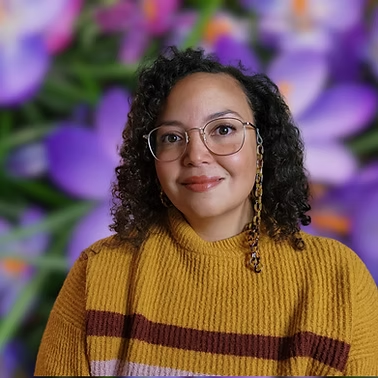
Heather Hansler
(she/her)
Secretary
Heather Hansler
Heather is a biologist turned artist, illustrator, and entrepreneur. She designs greeting cards, pins, mugs, ornaments and more to celebrate the lives and relationships of the 2SLGBTQ+ community. She believes cultivating relationships, deepening community, and acts of generosity are powerful agents of healing. She is an entrepreneur, illustrator, and a bit of a jack-of-all-trades. She can contribute a kind, balanced, and helping hand towards anything the community needs. She is happy to work where her skills will serve the community best, and she knows her creativity can be put to good use on almost any project.
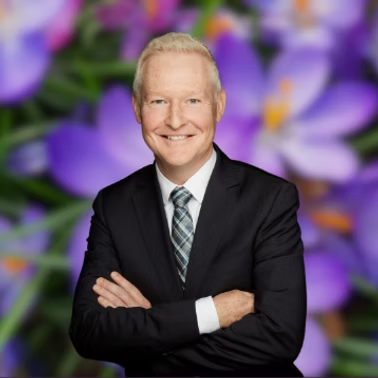
Brent Ward
(he/him)
Treasurer
Brent Ward
Brent was born and raised in Ontario on the shores of Lake Superior before moving to Calgary in 1995 after graduating from university. Over the past 3 decades, Brent has enjoyed a rewarding finance career in corporate Calgary with the last 24 years at a large multi-national company which included 4 years as a member of the Senior Executive team. At the company, Brent was the executive sponsor of the Pride and Power social group which drove a number of ED&I initiatives including their first ever entry into the Calgary Pride parade in 2024. Brent is currently testing semi-retirement, and pursuing interests that he previously did not have time for including some Board work and also spending quality time with his lovely wife and two wonderful children. He enjoys being active and some of passions include running, golf, biking, fitness classes, travelling, gardening, music and sampling from his wine collection.
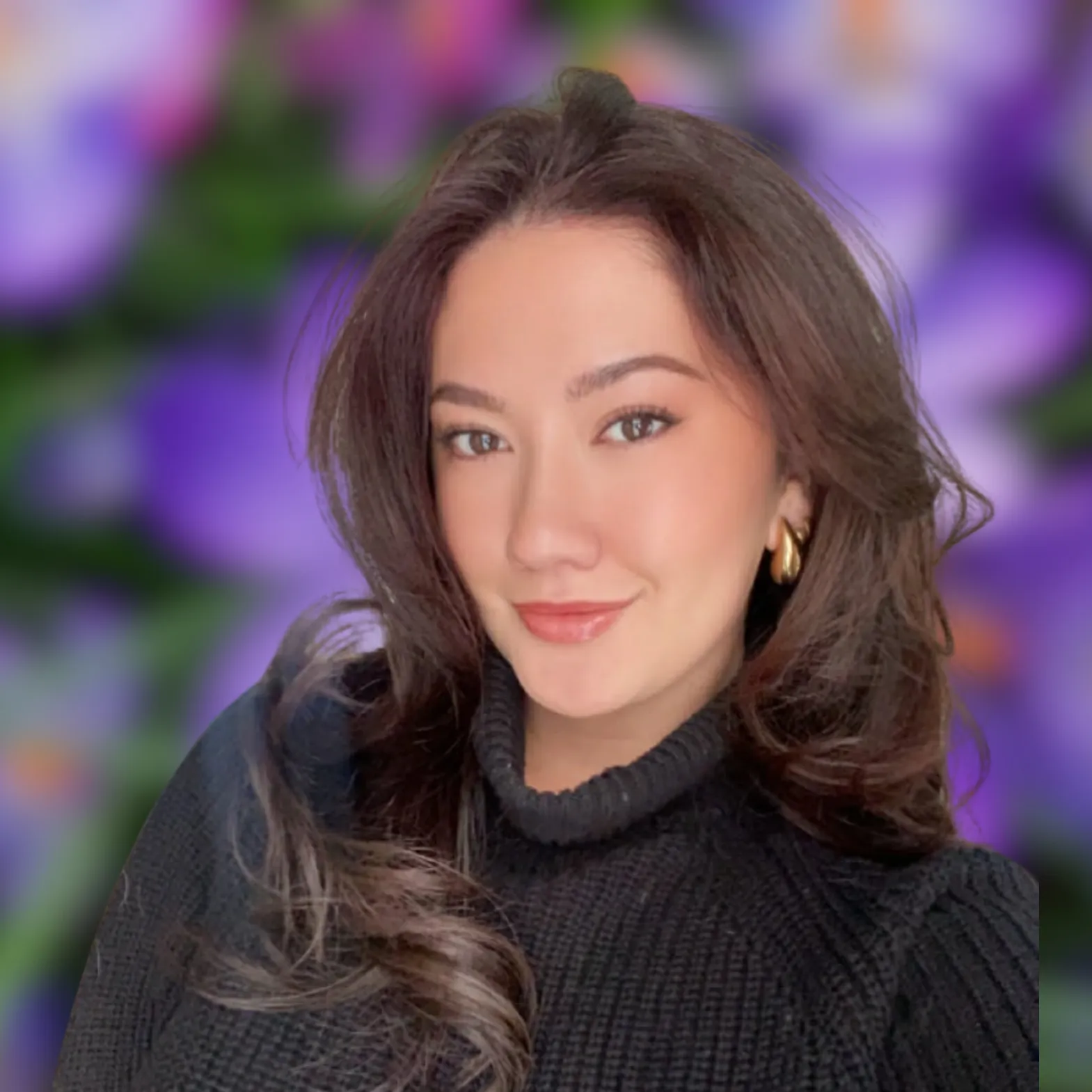
Jasmine Garland
(she/her)
Director
Jasmine Garland
Jasmine Garland (she/her) is a partnership strategist, sexual health specialist, and proud first-generation Canadian dedicated to impactful local community building. Alongside her role on the Calgary Outlink Board, she serves on the City of Calgary’s Social Wellbeing Advisory Committee and is currently training to become a certified Sexual Counsellor.
Raised by immigrant parents, Jasmine brings a deep, intersectional understanding of equity and resilience to her advocacy. Jasmine bridges corporate partnership skills with clinical insights to foster holistic wellbeing across Calgary’s 2SLGBTQIA+ community. When she isn’t driving municipal or non-profit strategy, she’s bringing that same fierce, competitive energy to cheering on the Calgary Flames.
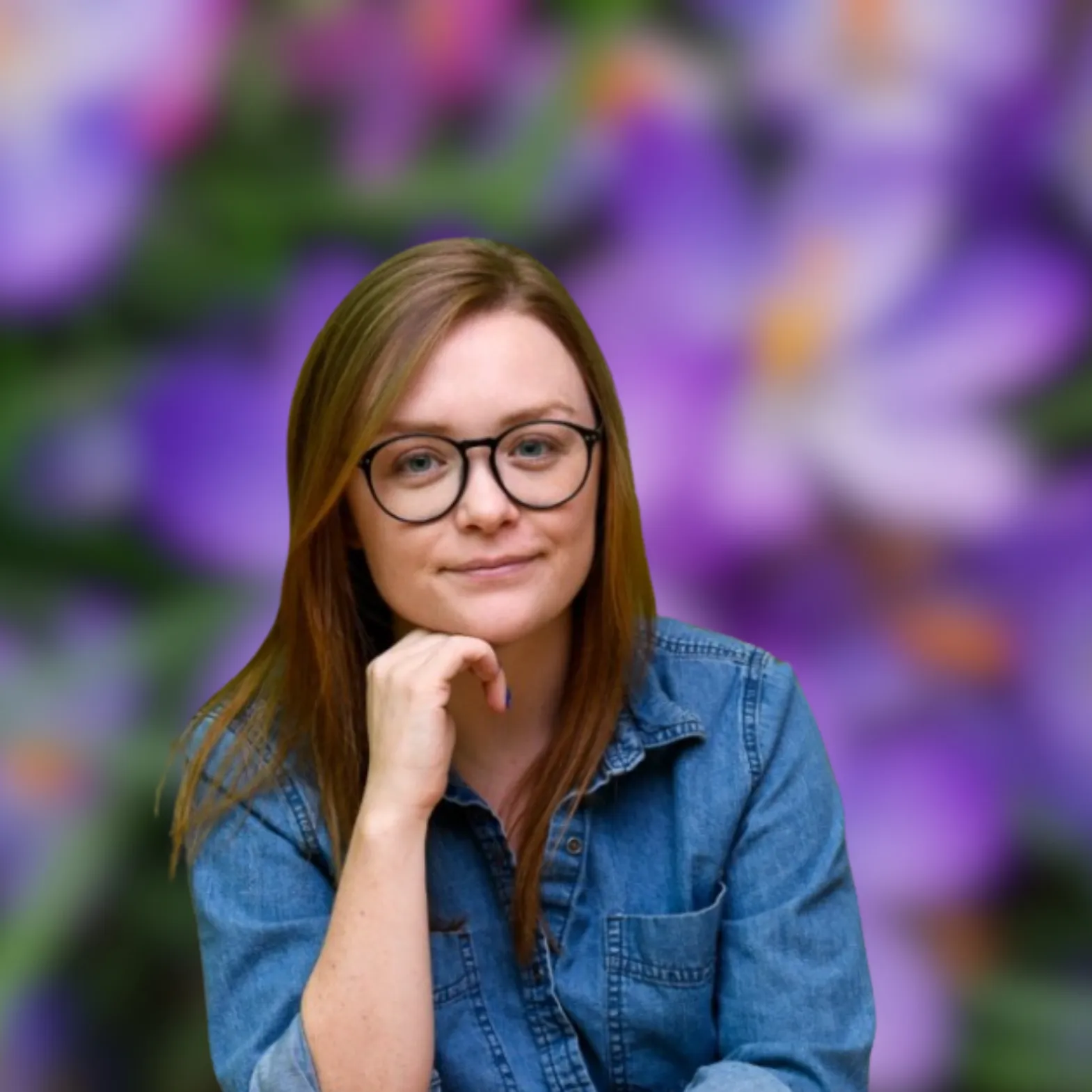
Sarah Vardy
(she/her)
Director
Sarah Vardy
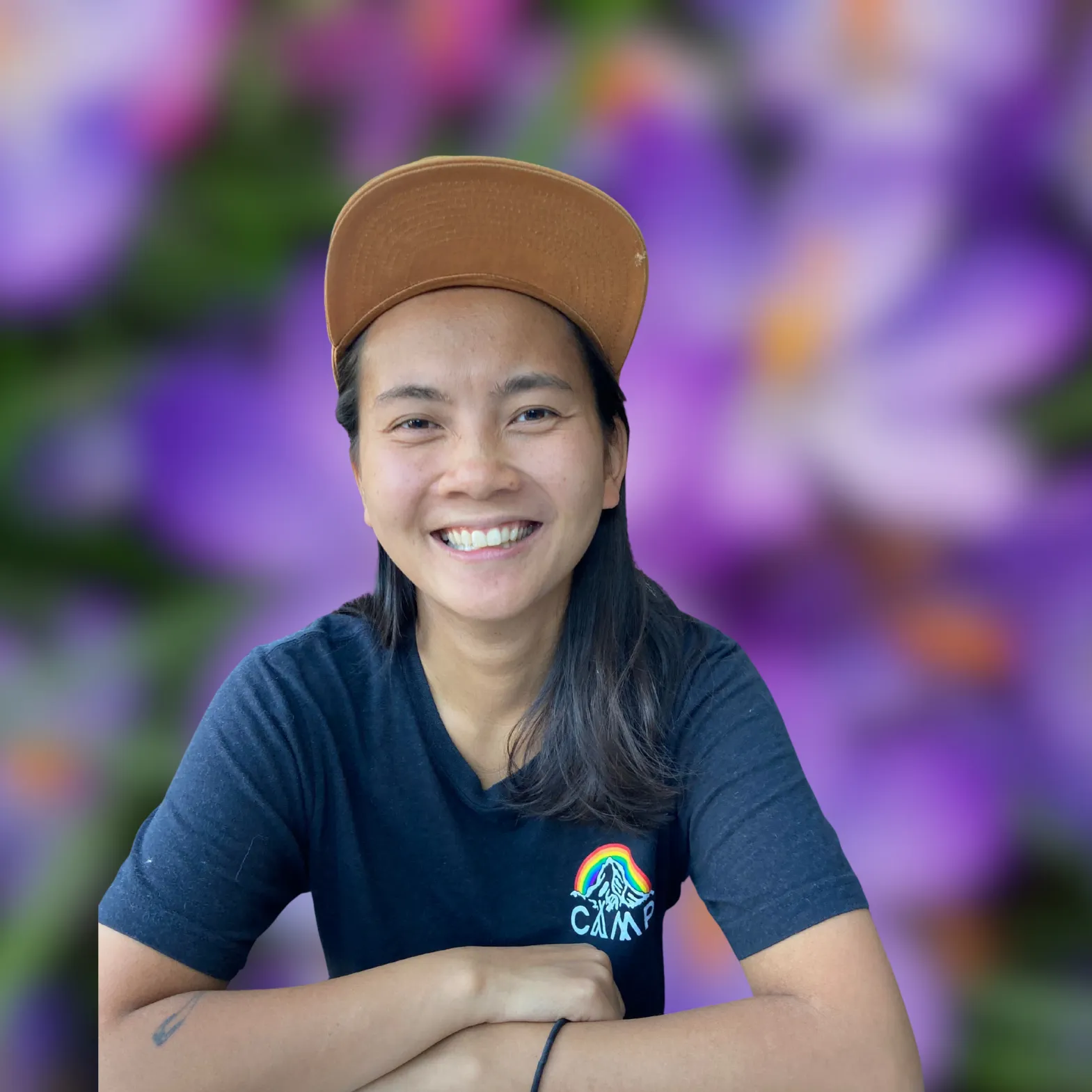
Maureen Tang
(she/her)
Director
Maureen Tang
Maureen has spent the last 15 years working in the electricity industry at TransAlta, with the last 7 years in the environmental and carbon compliance space as a Sr. Emissions Specialist. She co-chairs the Pride ERG group where she’s helped champion various initiatives for the organization and in the community.
Maureen is an active community member, both as a volunteer and as patron. She also enjoys ball hockey, reading, camping, being a couch potato, and smothering her dog with unwanted affection.
Meet our staff
Our staff team is the heart of Outlink’s day-to-day work. With passion and care, they facilitate programs, provide support, and build connections that make our spaces welcoming and inclusive. Each staff member brings unique strengths, helping us create meaningful impact in the lives of those we serve.
Emma Ladouceur
(she/her)
Director of Operations & Development
Emma Ladouceur
Zak Dattadeen
(he/him)
Manager of Volunteers & Programming
Zak Dattadeen
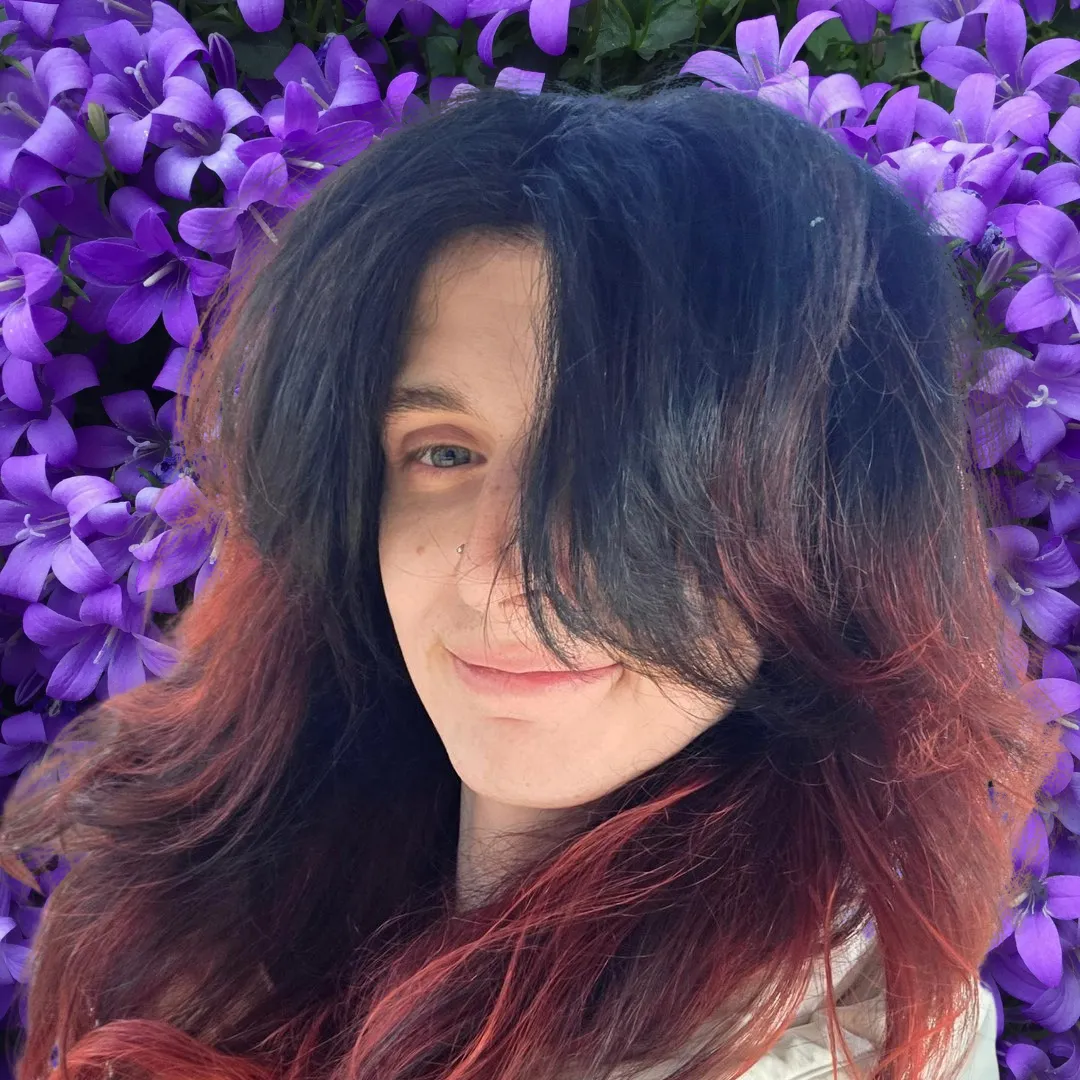
Mackenzie Thaxter
(she/they)
Community Engagement & Program Coordinator
Mackenzie Thaxter
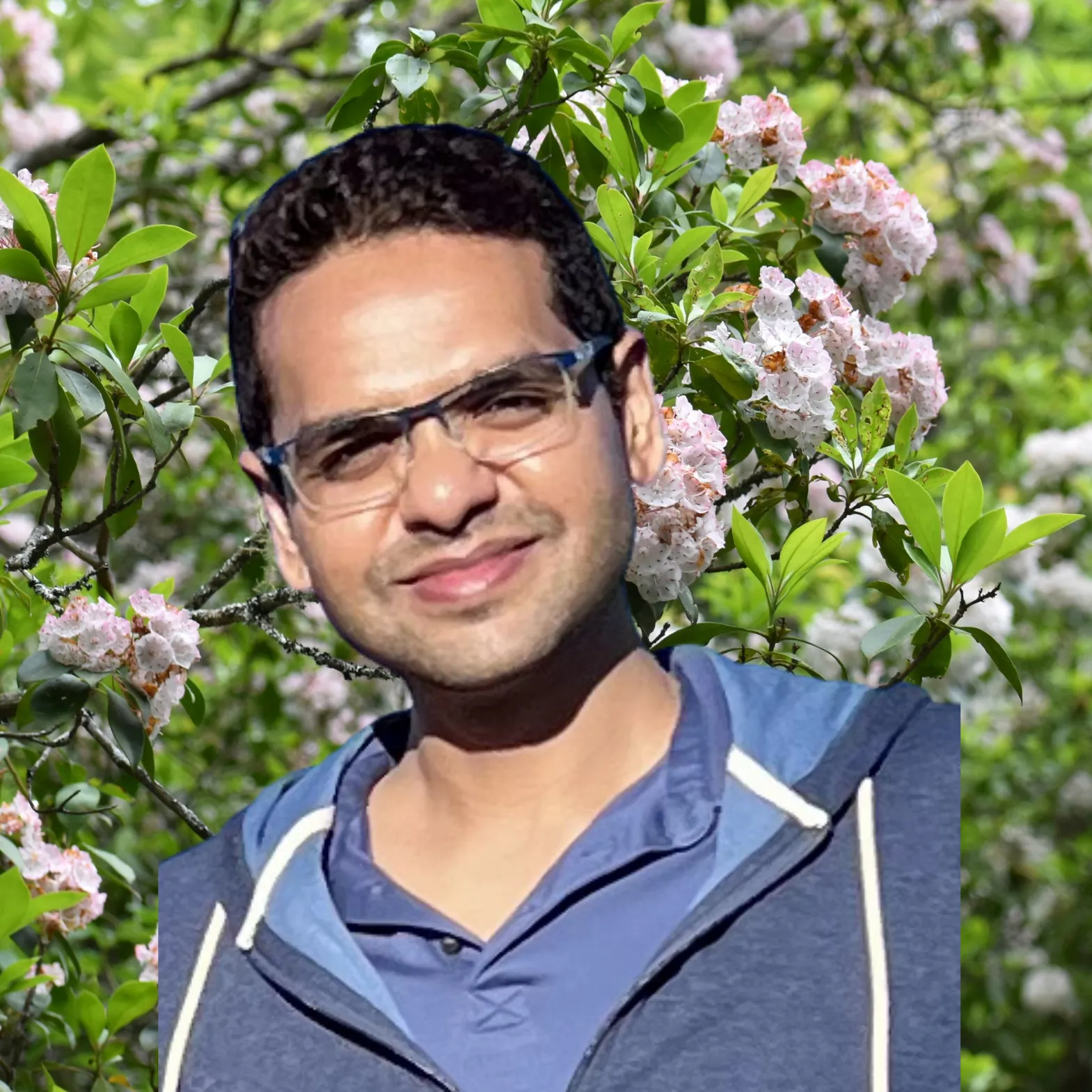
Ashay Vaidya
(he/him)
Development Specialist
Ashay Vaidya
Volunteer Spotlight
CHRISTIAN BILOU (he/they) - Peer mentor
Published On: August 31, 2023 I saw an ad online for the last three or four years, and I’ve been looking for some way to give back to the community in general. Something inside me said, “Hey, this is actually a good idea,” so that was probably what triggered me [to apply].
I’m a scientific person. I don’t usually go by gut feelings, but this time I went by a gut feeling. It just felt right. I trained to be a peer mentor, and I didn’t end up with a mentee. Right now, I am floating around in the general [volunteer] pool, looking for something that I can do until the next round of applications.
I’m autistic. One of the core things they look for with autistic people when diagnosing us is that we tend to have an extremely strong sense of social justice. That’s been a huge part of me. I cannot stand to see injustice anywhere. I feel that the 2SLGBTQ+ community has always been something that’s been close to my heart. I actually was part of the first few Pride parades – if you can call them that – here in Calgary. Back in the day, it was probably about a dozen people with some dressed-up shopping carts and whatnot going through the streets, because this community is important.
When I was in high school, I had a friend who came out to his family, and was immediately shown the door. He ended up couch-surfing at a number of different homes for as long as we could possibly pull it off before social services discovered that he was basically homeless. [These issues] are near to my heart.
There was a meme that was going around on Pride this year asking why Pride is important. It said something about [how] there’s still at least one confused teen out there that is contemplating suicide. If we could save that one teen, that’s what it’s all about. That ties into my extremely strong brand of ethics.
It’s hard not to go on a rant about this. The last year has been weirdly worse it seems, than previous years. I even had to tear several strips out of somebody that was probably one of my closest friends in high school, because he’s grown up to have some very unpleasant views. It was upsetting, because I was very disappointed in him as a person based on who he was back then.
Most of my volunteer experiences have been with animals and nature. I’ve worked with a number of different animal and rescue societies. I actually ran an animal rescue for a number of years, which was a really wonderful thing. I’ve done a lot of volunteer work for environmental groups saving wetlands. Right now I’m part of a group that’s in the process of trying to rehabilitate and save Nose Creek and the watershed around that, as well as Confederation Creek.
Even if it comes down to saving a single animal, that’s a big deal. I’ve had so many little [rewarding experiences] that I don’t know if one particularly stands out. When you’ve worked hard and saved (at least what I consider) a very valuable land from development, that’s been a big win for me in the past.
Now, I’m hopefully getting into making a difference directly with people, which should be an interesting experience. [I hope that there’s] anything I can do that makes somebody feel more real, more accepted – anything that I can pass on through my experiences and whatnot, sort of learned wisdom, that will help somebody out that’s younger than me. It would have been wonderful to have somebody pop into my life 20 or 30 years ago and say, “Here’s some really helpful information that will make your life better.”
That’s what I’m hoping for, really. I had no idea I was autistic when I was in my teens, and having somebody pop in and say, “Here’s some important information about you, and you’re not the only freak on the block,” would have made a huge difference in that area as well.
It’s a big deal. Sexuality-wise, I thought for years I was the only person like me. I came from a slightly earlier generation where people didn’t really talk about a lot of things. You sure as heck didn’t sit down with one of your friends and go, “So, here’s what’s going on in my head,” because there was a really good chance your friend would look at you and say, “Oh my god, you’re some sort of freak. Get away from me,” so you just kept that stuff to yourself.
[I] didn’t have that peer support. It’s amazing when you connect with somebody and they go, “I actually understand where you’re coming from. I’ve been there too.”Suddenly you found your community, you found your people. There’s a whole bunch of people like me that think the way I do, [and] are the way that I am. That’s a really amazing moment.
Kind, eclectic, introvert.Antiquing – I love hunting for and finding antiques that fit into my collection, and that ties into my love of museums and whatnot. The antiques mall in Airdrie [is my go-to place]. I can spend all day there. I can spend my entire wallet there, too.My mom. Unfortunately, she passed last year. But she was absolutely and unconditionally my support in everything in my life. I am very certain that I am a good person because of her. She was old, and we saw it coming. But it was sad, because if anybody deserved to live to 150, she sure did. I know everybody says that about their relatives, but you had to have met her. There was nobody that she hated. She was the kindest, most accepting person that you’ll ever meet.
My mother was a “devout Christian” her entire life. Many years ago, she had bought into what the church had told her about the queer community. It was funny, because she was running a daycare. She had a chap working for her, which was uncommon – you didn’t have a lot of guys working in daycares. I remember her coming to me one day, and saying, “I’m a little concerned. I think he might be gay, and I’m worried about the children.”
I happened to know he was gay, because he used to bartend at one of the local gay bars here in town, but I couldn’t say anything. I said, “We need to have a little chat,” and we sat down and had a long chat about the entire LGBT community, what pedophilia was and wasn’t.
It really turned her around 180 degrees because of the kind of person she was. She changed so drastically from someone that had literal homophobia, to somebody who embraces the community. She said, “I’m not going to assume to know the mind of God. I don’t know if [2SLGBTQ+ communities] are going to have any issue with God in the afterlife. But, that’s between them and God. I was taught to love everybody as [themselves]. That’s the way I’m going to live my life.”
She was really supportive in the last 30 or so years of her life. That did a lot to empower me; I felt stronger because of it. I wouldn’t be the person I am without her in a huge way.
I have the benefit in many ways of being from my generation. I’ve experienced this weird, broad spectrum. We were the kids that grew up without computers and cell phones. We didn’t have computers until I was basically in high school. I was there for the AIDS panic. People were certain that if you accidentally touched a gay person, you were going to get AIDS and die. I was there prior to the AIDS panic, when there was an awful lot of pretty gay shit going on out there. Everybody assumed it was fashion, and the rest of us are going, “Yeah, I don’t think he’s straight.”
You just didn’t talk about it. It was okay because you didn’t talk about it. I experienced all of these different attitudes: knowing a tiny handful of people that were in the queer community back [when it was] underground, being part of community when it was starting to become semi-safe to be public about it, having experienced different attitudes in different cities and regions – it’s just this broad range of experience that gives me this insane perspective on things. Some of what I’ve seen [has] been really dark, depressing, [and] scary. Some of it’s been amazing.
I was [talking] to a friend of mine at the Pride celebration downtown last year. My mind is blown every time I think about it. In the 1980s, there’s no way on earth that wouldn’t have happened. Not even in places like San Francisco, nothing like that would have happened. You couldn’t really be out. Seeing that now, it’s just like, wow.
It’s kind of akin to the electronics explosion. Looking at the technology we have now versus the 1970s, and going, “Wow. We’re like Star Trek compared to there.”
We’ve advanced so much, who would have thought? It’s the same thing within the queer community. I’m very lucky in many ways to have experienced all of that, because the knowledge, information, and experience that it’s given me is probably something that nobody that hasn’t lived through the years that I’ve lived could possibly ever hope to know.
Although it hasn’t all been good, in many ways it has all been good. No experience is bad experience, and no knowledge is bad knowledge. I feel really fortunate to have that. That forms my knowledge [and] opinions that I can pass on to other people – kind of like being a living museum, a living library, a living book of history. I never thought I’d ever think of myself that way, because I never thought of being any sort of elder. Being able to understand when somebody posts a meme where they grabbed a couple bricks off a pile and say they’re stocking up for Pride, and knowing what that meant, and understanding the emotion behind it, it just feels so important.
Our Bylaws and Policies
Transparency & Accountability
At Outlink, our bylaws and policies reflect our commitment to safety, respect, and inclusion. They guide how we operate, ensuring transparency, accountability, and care in everything we do. These policies are living documents, shaped by our values and our communities, to help us create spaces where everyone feels supported and respected.
Our Funders
Outlink’s work would not be possible without the generous support of our amazing funders, community partners, and private donors. We value collaboration and work alongside our many community partners to provide 2SLGBTQ+ communities in Calgary with a wide range of supports and services. We are honoured by all of the support we receive and are grateful for the opportunity to explore new opportunities together.



Organization Spotlight
STEVEN ARCHAMBAULT (he/him/his) - Co-founder of Stonewall Recovery
Published On: September 21, 2023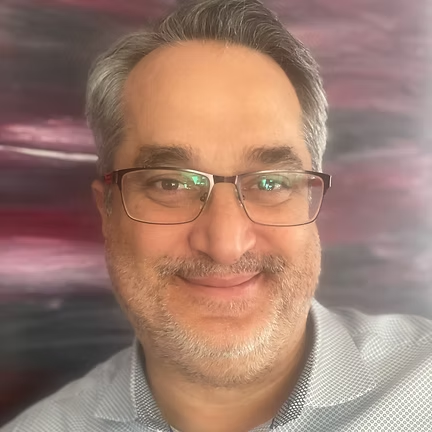 Steven Archambault, Stonewall Recovery, Co-Founder of the organization, pronouns are he/him/his and I have been with Stonewall since 2022.
Stonewall Recovery is founded with the value that we support everyone, regardless of the person’s identity or orientation – especially to populations that are most at risk of drug use.
Being kind and compassionate are the values that align with me the most and I believe that this organization was designed with those in mind. We also can recognize that the way support is now for the 2SLGBTQ+ community, must be better and offer more support systems to those at risk.
I would say highlights are certainly weekly because it entails working with people who are. Excited for us to start offering our services, I receive text messages and phone calls asking us “When will you be open?”
That, to me, is notable because it’s sad to hear that they are looking for some resource to be available. However, the positive highlight of being a part of Stonewall is planning and executing the Gala [Stonewall Recovery Centre Bricks and Mortar Gala]. As I stood on the stage, looking at the wonderful people, I can see that this is why I do what I do. It’s completely worthwhile, and the work is meaningful. I would say that the possibilities of astronomical moments are endless.
Just a few weeks ago, I was actually working with a 2-Spirit knowledge keeper. The discussion we had was around family, and how family is chosen rather than [by] blood, but we were discussing what it looks like. During the ceremony, there was a moment where a bind happened with the intestine of a buffalo on the wrists. Which goes to show how powerful an experience can be, and the choosing of our family. It was also a symbol of this bond with the new family, and I could literally feel the energy.
I would definitely say that my favorite thing to do is scuba diving – just being under the water and feeling how peaceful it is. Being able to be fifty feet below the water allows me to settle. It’s hard to put into words, but I feel like I can be at peace with my own thoughts. After twenty years of scuba diving, it just continues to get better and stay peaceful. A spot that I am most fond of is the Sea of Cortez.
[We are] an organization that is dedicated to supporting the queer community, and being founded with that in mind means we can offer programming that is inclusive and excluding religion and gender, while also allowing people to choose if they want to share their sexuality if that is a part of the process within their intersectionality of recovery. We also strive to not have any assumption [of], “You have an addiction because you are queer,” or that “you have to struggle because of identity.”The examples of the queer community is wonderful and just being around those who have lived experience can also be a truly wonderful thing. September Pride, and during the month of June, I can say for certain that we will be there volunteering to take part in the programming.
I would like to highlight that there needs to be solid frame work from Calgary Pride on what work they do, due to lack of connection. I can see a large population of our community has little to no connection because of the paid membership and the amount of membership that are engaged. There is a missing component with Calgary Pride to the queer community.
The main and current services we will offer are focused on recovery and will be online. [We] launched in British Columbia [and] Ontario. This is nationwide and will continue to be national.
The key messaging is that this is available to anyone. The day program will be ready in about 3-6 months, the bed treatment is in the works and hoping to be launched soon. It all comes down to securing funding in order to make all of this possible. The government didn’t consider any type of funding for the 2-Spirit community. Prior to the provincial election, I am not certain that the government thought to consider this after the election was over. We need to step up for our own 2SLGBTQ+ community, and it’s another reason why I am a member of Calgary Pride – to be a part of the changes that they need to make.
It’s absolutely critical and imperative that we bring BIPOC into the conversation and we have a platform to use for agency. Our community will continue to struggle unless, as a country, we accept everyone to be a part of the space.I know there are a few steps that need to be taken. Our allies need to be included, because people will still ask “why do we need spaces or anything of our own?”The answer is that we are continuing to fight to have spaces that we need to be us. We need more support systems in place, not less. The statistics are horrible. For example, when a teenager comes out as queer, and they live in a nicer home with a stable family, the percentage of them being abused is 39%. Becoming a target from your own family, when they weren’t before, can lead to trauma and addiction.
3.6% of the Canadian population experience this. 30% of the population make up the [unhoused population], and 70% of the [unhoused] population are Indigenous. Those who still ask the question, “Why do we celebrate Pride?”or, “Why is there a Pride month?” are not allies, and hear these questions often on social media.
Stonewall [Recovery] is very much needed. We heard the call, and answered it. Drugs affect us, and about two thousand people have died from it – this doesn’t even include the heartbreak or mental health challenges that are caused by addictions. We need to come together to support all spaces, because our community matters.
Stonewall Recovery is Canada’s very first 2SLGBTQ+ addiction treatment facility, currently offering online recovery programs.